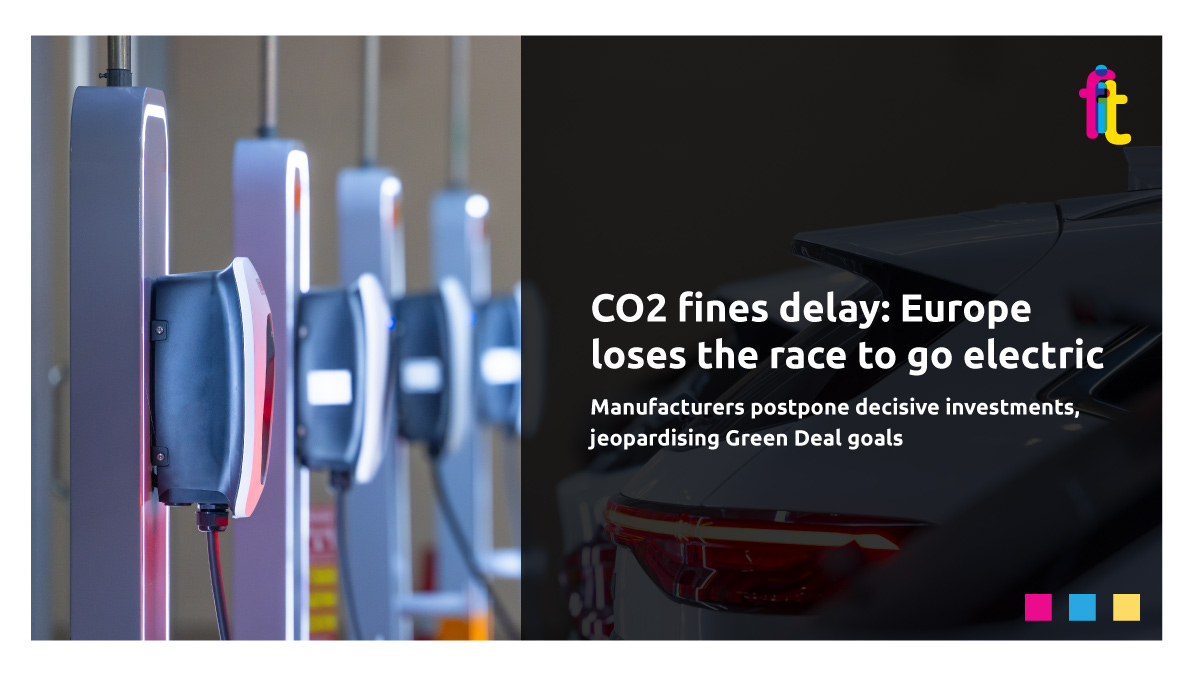
The recent postponement of CO2 emission fines for the European automotive industry has reignited the debate on ecological transition. While this decision may seem like a breath of fresh air for manufacturers, it hides significant risks for the future of European industry.
The postponement of the penalties was justified by the “insufficient” growth in the market share of electric vehicles. But this interpretation reverses the natural dynamics of innovation because, throughout the history of economics and trade relations, it has always been technological innovation that has driven the market, not the other way around.
The current slowdown in the electric market is not due to consumer rejection, but to the limited supply of affordable products, especially in the most popular market segments.
European manufacturers continue to favour the margins guaranteed by internal combustion cars, postponing decisive investments in electric vehicles.
This slowdown is already leading to delays in transport sector innovation
The postponement of fines until 2028 could trigger a vicious circle: less regulatory pressure means less innovation, which in turn would justify further delays and slowdowns in both current and future progress, in the field of environmental sustainability.
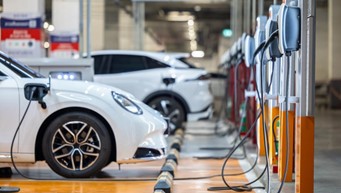
The European Green Deal represents the most ambitious ecological transition strategy ever launched by the EU, with the aim of achieving climate neutrality by 2050.
The plan envisages a 55% reduction in emissions by 2030 and will mobilise at least €1 trillion in sustainable investments over the next decade.
Through the “Fit for 55” package, the EU has introduced 13 legislative reforms, including the extension of the emissions trading system to sectors such as construction and transport, and the goal of zero emissions for new cars and vans by 2035.
Among the major criticisms levelled at Europe by supporters of “technological neutrality” is the allegedly imposed decision to use electric vehicles. An imposition that actually distorts the true reality.
What the European Regulation does is set the target of zero tailpipe emissions, without dictating the use of any specific technology.
Electric vehicles emerge as the main solution because they are the only ones with a mature business ecosystem.
The Green Deal is not an obstacle to growth but, on the contrary, will increasingly become the only viable path to ensuring a sustainable future for European industry. Never before have health, the environment and competitiveness gone hand in hand as they do now.
The challenge is political: to support this inevitable transformation before it is too late.
Sources:
https://lavoce.info/archives/107803/il-green-deal-va-sostenuto-per-la-salute-e-la-competitivita/
https://quifinanza.it/green/fotonotizia/green-deal-europeo-cosa-prevede/859520/