
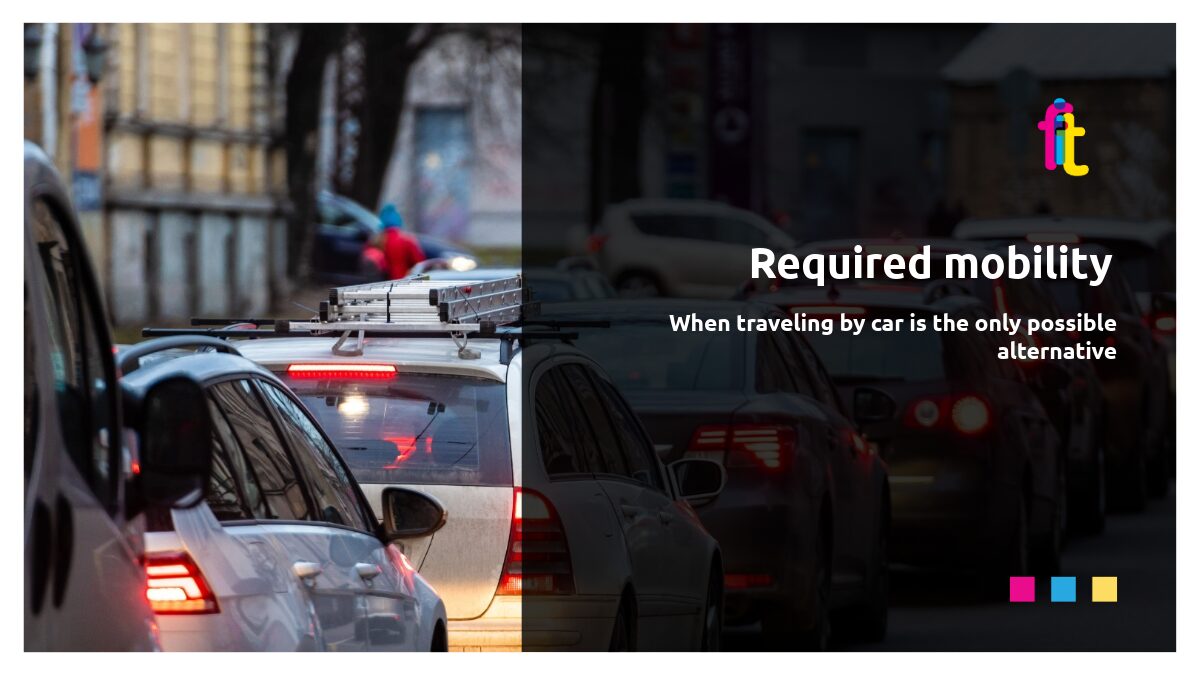
When traveling by car is the only possible alternative
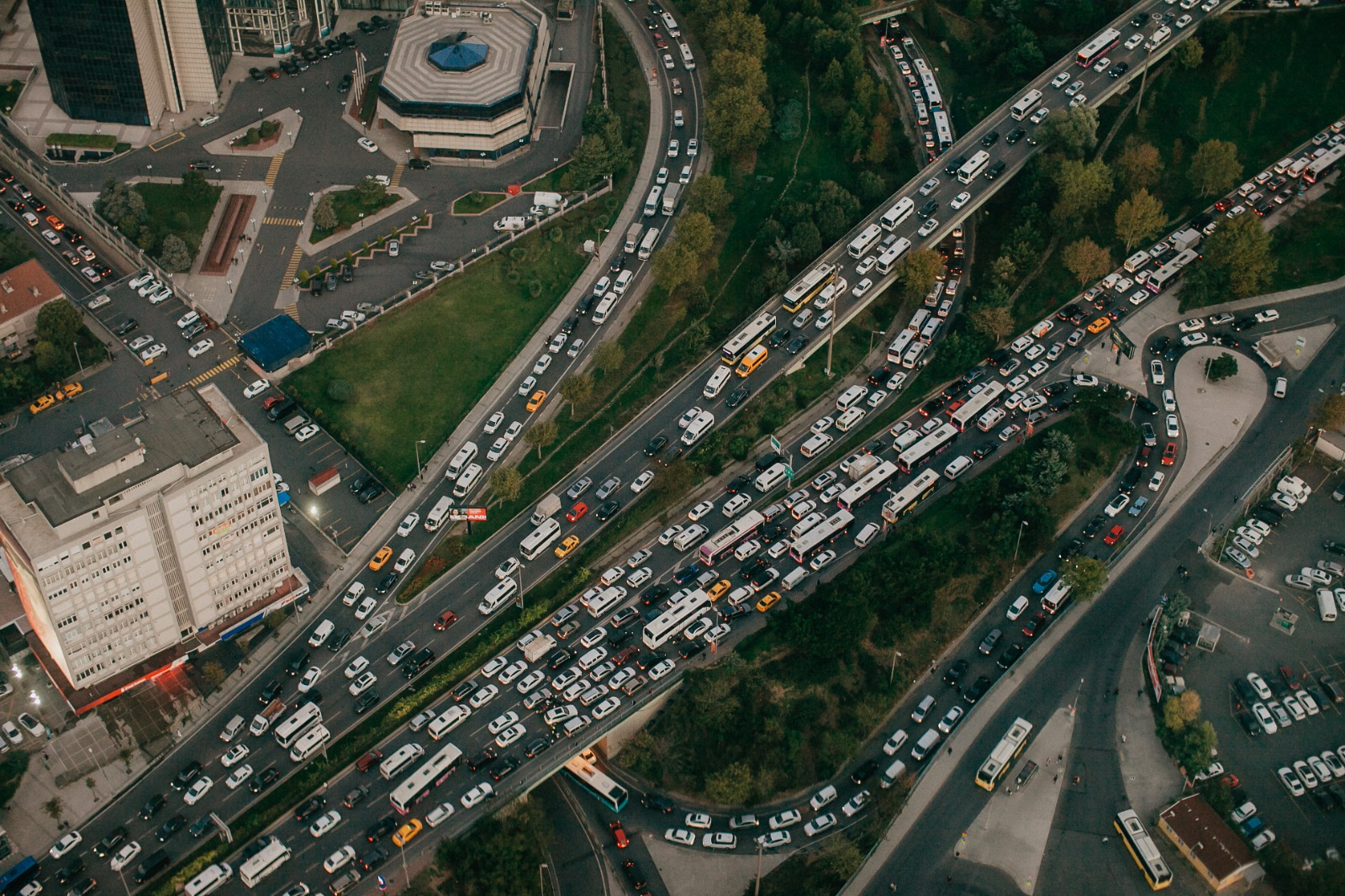
Many headlines talk about what Italians “prefer” in terms of mobility. But talking about choice is misleading: our urban system has made the car the most convenient option and often the only viable one.
Daily mobility often works through dynamics and choices that are almost “forced,” where choosing is not possible; it is only possible to follow the only solution indicated and feasible.
The same dynamic is repeated when we look at travel: the car has always been conceived as the only solution, while possible alternatives, where they exist, are kept hidden, if not forgotten and given little consideration.
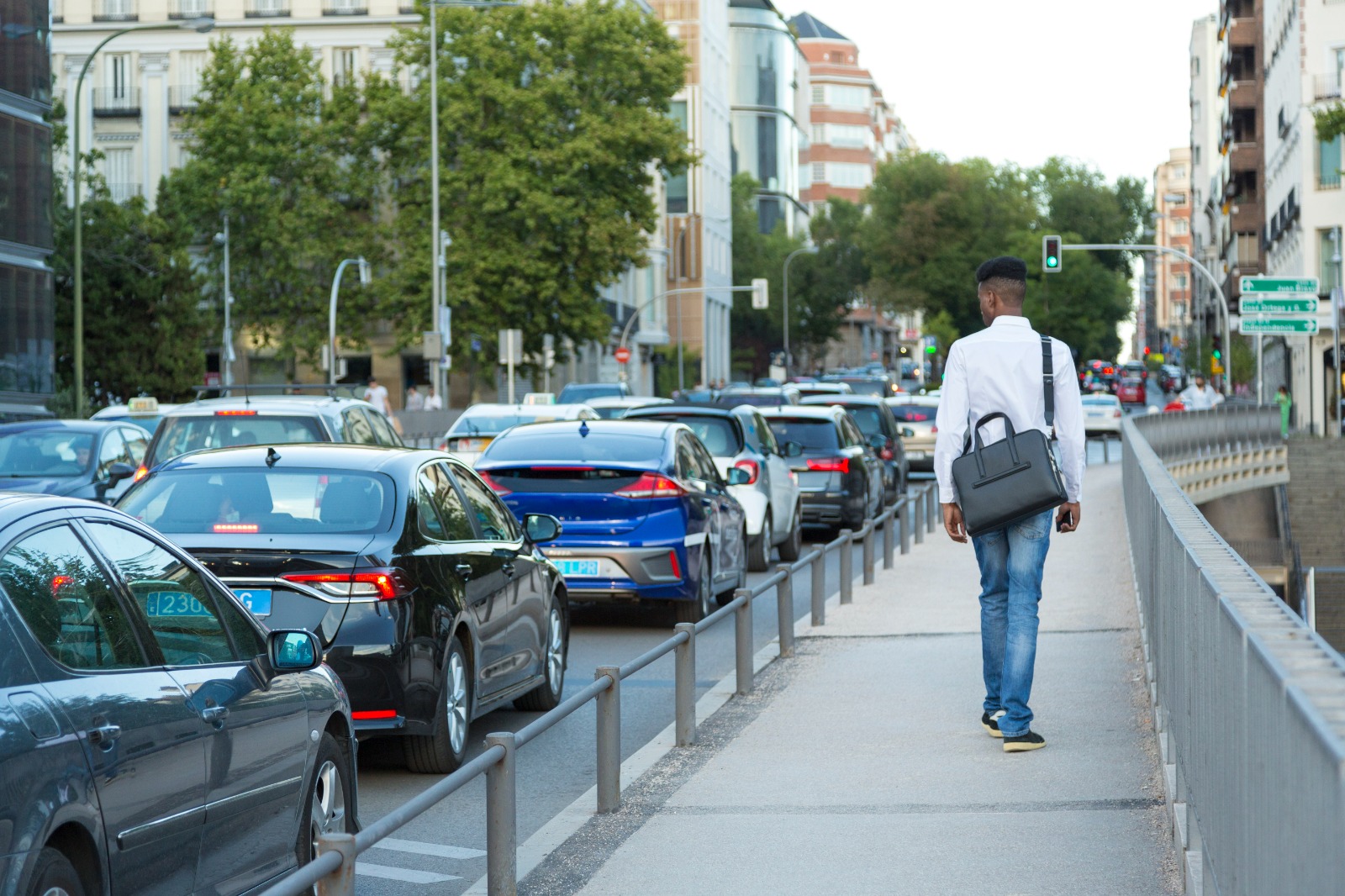
For decades, cities have favored private traffic, expanding roads and parking lots and reducing sidewalks, tramways, and bicycle lanes.
This is how the illusion of choice is created: the dominance of the car is interpreted as a preference, when it is the result of a context that limits everything else.
The same applies to the causal fallacy that influences many forecasting models: historical data from a car-centric system is observed and considered inevitable, without asking what would happen if truly competitive alternatives were offered.
The problem that has often been encountered and can arise from situations of this kind lies precisely in the difficulty of coming up with new answers that can provide concrete and tangible alternatives, and above all improvements.
Responses that, starting from a reformulation of the questions and a rethinking of their applicability, can chart courses capable of rethinking mobility, travel, and the management of motor vehicle flows.
Metaphors help us understand. Todd Litman imagines buildings equipped with free gas pumps included in the rent: an absurdity, but one that replicates what we already do with mandatory parking spaces.
In contrast, in the Netherlands, bicycles are a household item for mobility, a daily activity made easy by infrastructure designed to simplify their use.
It is not a cultural issue, but one of context: choice only arises when alternatives exist, but if these disappear, choice is no longer a choice, it is an obligation.
The problem is that many planning tools continue to rely exclusively on historical data, which reflects an unbalanced environment that has remained virtually unchanged over the years, without any real momentum or evolution towards the common good, whether in terms of resource management, proposed alternatives, or attention to the environment.
When the system changes, people change with it: the phenomenon of “traffic evaporation” shows that by reducing the space dedicated to cars, part of the traffic disappears because individuals reorganize their habits and destinations.
In the debate on mobility, there is a growing awareness of the need to move beyond an interpretation based exclusively on individual choices and instead consider the set of structural conditions that influence behavior and interact with each other.
In this context, models, scenarios, and integrated analyses are increasingly being used as interpretative keys to reflect not only on current practices but also on the possibilities that would open up in more balanced mobility systems.
This perspective invites us to look at everyday mobility as a complex system, in which accessibility depends on the overall configuration of available opportunities.
Source: https://datamobility.it/magazine/quando-la-mobilita-non-e-una-scelta/