
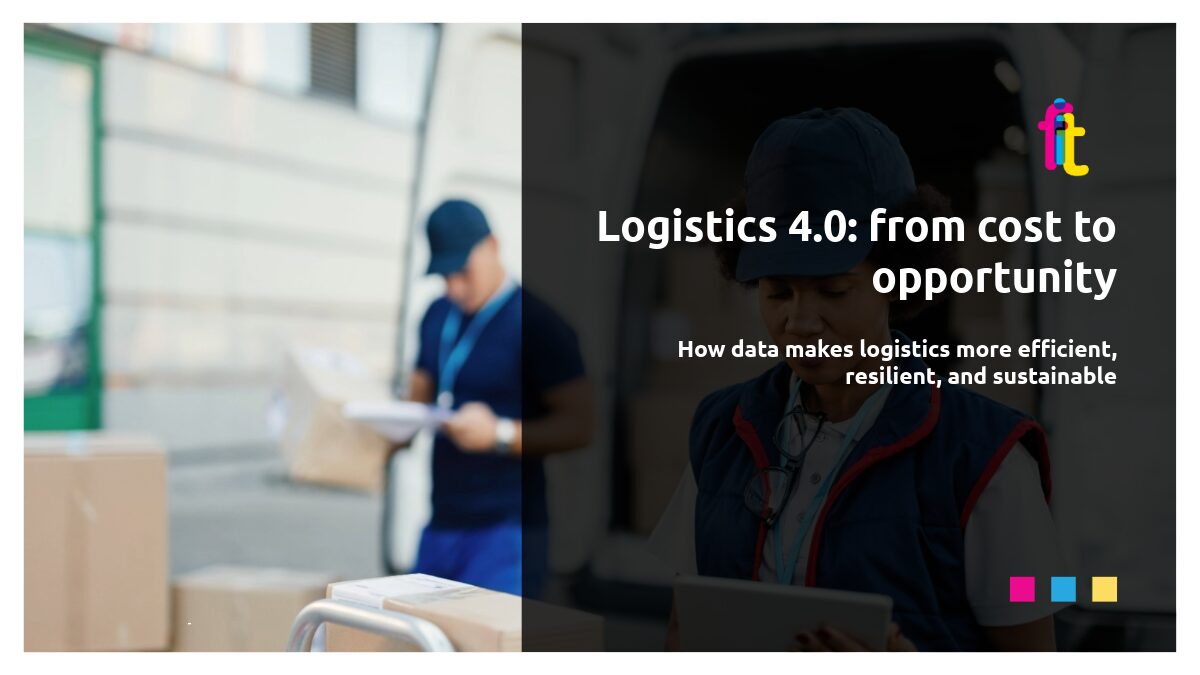
How data makes logistics more efficient, resilient, and sustainable
Logistics has often been associated with concepts such as punctuality and/or cost reduction. Today, the sector is called upon to redefine its processes according to the principles of the circular economy, transforming freight transport into a more efficient and sustainable system.
This is known as circular logistics, a model that goes beyond the linear “production-consumption-disposal” pattern to embrace a regenerative approach.
In this scenario, every element of the logistics chain (from packaging to vehicles, from warehouses to data) can have a second life or be reintroduced into the production cycle. This is not just an environmental issue, but a real cultural and organizational transformation that can be structured through concrete actions such as:
- Reuse of packaging, pallets, and containers.
- Optimization of loads and routes, limiting empty trips.
- Integration of low-emission vehicles.
- Intelligent management of returns and reverse logistics.
These actions, applied on a large scale, could revolutionize the freight transport sector, which today has a significant impact on overall CO₂ emissions in Europe. This trend is clearly illustrated and confirmed by the data itself in the context of this new perspective.
Italy is already making significant progress in this area: in 2023, 10.47 million tons of packaging were recycled, equal to 75.3% of the total, exceeding the European target of 65%.
Not only that: 20.8% of the materials used by Italian industry come from recycling, compared to an EU average of 11.8%, while at European level, each citizen of the ‘Old Continent’ recycled an average of 246 kg of urban waste, equal to 48% of the total, a sign that the culture of circularity is also maturing in individual behavior.
Adopting circular strategies can translate into significant actions aimed at improving environmental impact, resulting in lower operating costs, better flow planning, a stronger corporate reputation, and greater access to green incentives, which are increasingly oriented toward measurable sustainability.
The change extends to various production sectors.
Aluminum, for example, is a case in point: in 2024, in Italy alone, the packaging recycling rate reached 68.2%, with an overall recovery rate of 71.7%. This success demonstrates how the industrial supply chain can drastically reduce energy consumption and emissions while maintaining high standards of quality and competitiveness.
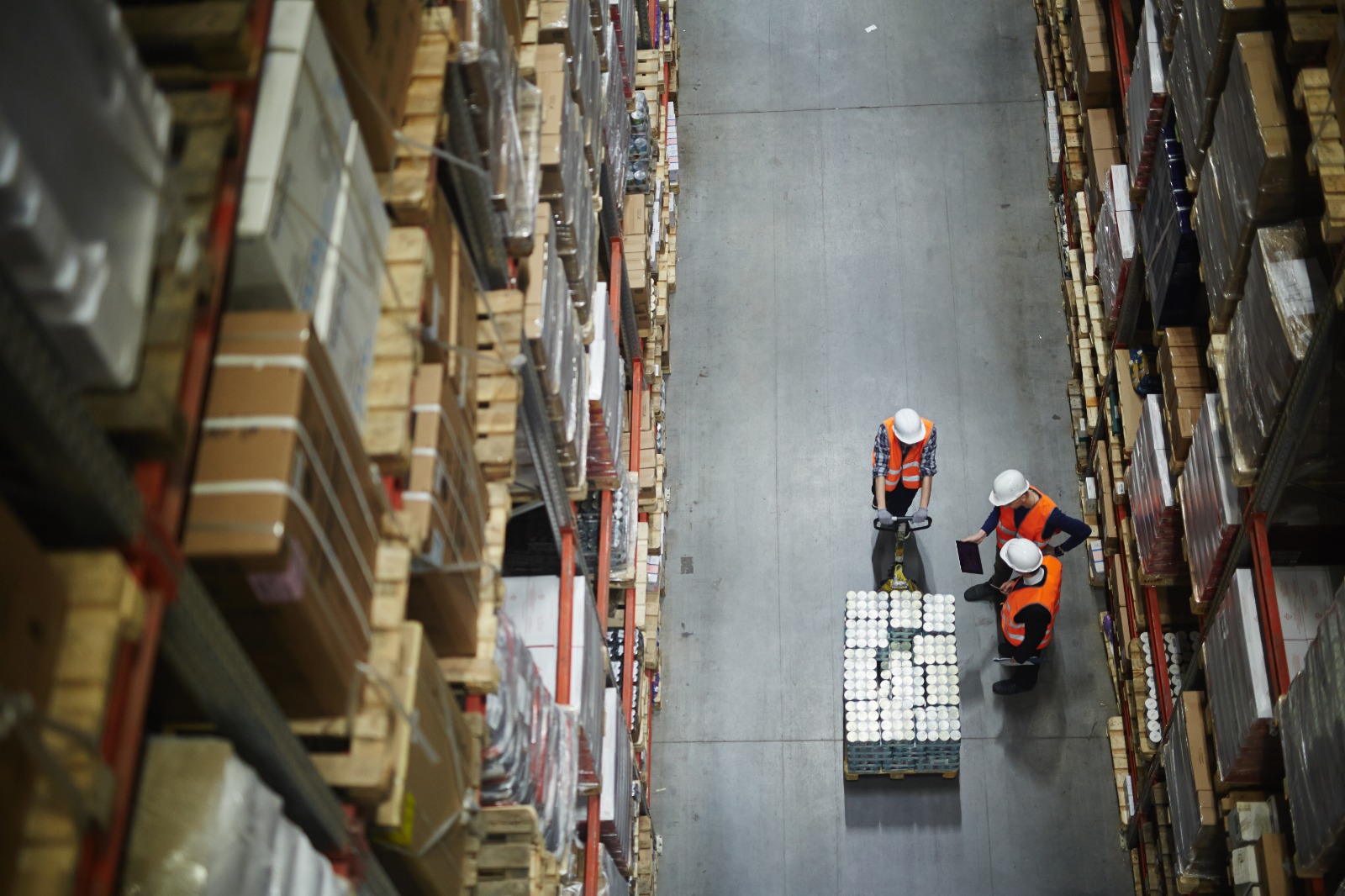
The new frontiers of logistics
Similarly, urban logistics is also experimenting with smarter models.
The use of digital platforms for managing loading and unloading slots, the adoption of real-time monitoring systems, and the sharing of hubs and vehicles between multiple operators are paving the way for a new paradigm in which collaboration and data become the real drivers of efficiency.
Every small step (from process digitization to route optimization) contributes to generating a multiplier effect that, in the long term, can radically transform the way goods move around our cities.
Circular logistics has already charted a new direction and a new possibility through the idea of a regenerative economy capable of rethinking consumption in terms of new opportunities.
Opportunities that focus on greater sustainability and foresight for the future.
Working with a multidisciplinary and innovation-oriented approach to integrate digital solutions, participatory governance, and collaborative logistics models, helping to make cities more livable and transportation more efficient.
In actions such as these, the values that can guide the possibilities that may arise and find expression are reflected in the circular logistics paradigm.
Supporting this transition means taking concrete action to transform ideas into value, accompanying change with scientific expertise, strategic vision, and greater attention to the human factor.
https://www.conai.org/notizie/riciclo-imballaggi-nel-2023-percentuale-in-crescita/?utm
https://www.eea.europa.eu/en/analysis/publications/europes-circular-economy-in-facts?utm