
The silent shift in heavy transport
Heavy road transport is one of the most difficult segments to decarbonize.
This is precisely why the launch in Italy of the first Inter IKEA Group project dedicated to fully electrified heavy road transport, carried out in collaboration with LC3 Trasporti and Mercedes Benz Trucks, is making headlines.
The initiative was officially launched in October 2025 and aims to move ahead of European mobility decarbonization targets, with a stated goal: to make logistics more sustainable without remaining confined to theory.
From experimentation to daily service
The key point is operational efficiency. The project involves gradual implementation: starting with five BEV (Battery Electric Vehicle) trucks already in operation, the fleet is expected to exceed ten Mercedes Benz eActros 600 electric vehicles by the third quarter of 2026.
These vehicles are designed as trucks for daily container transport services to and from the ports of Genoa and La Spezia, with destination at the Distribution Center in Piacenza, in addition to daily deliveries to stores in Northern Italy departing from the same logistics hub.
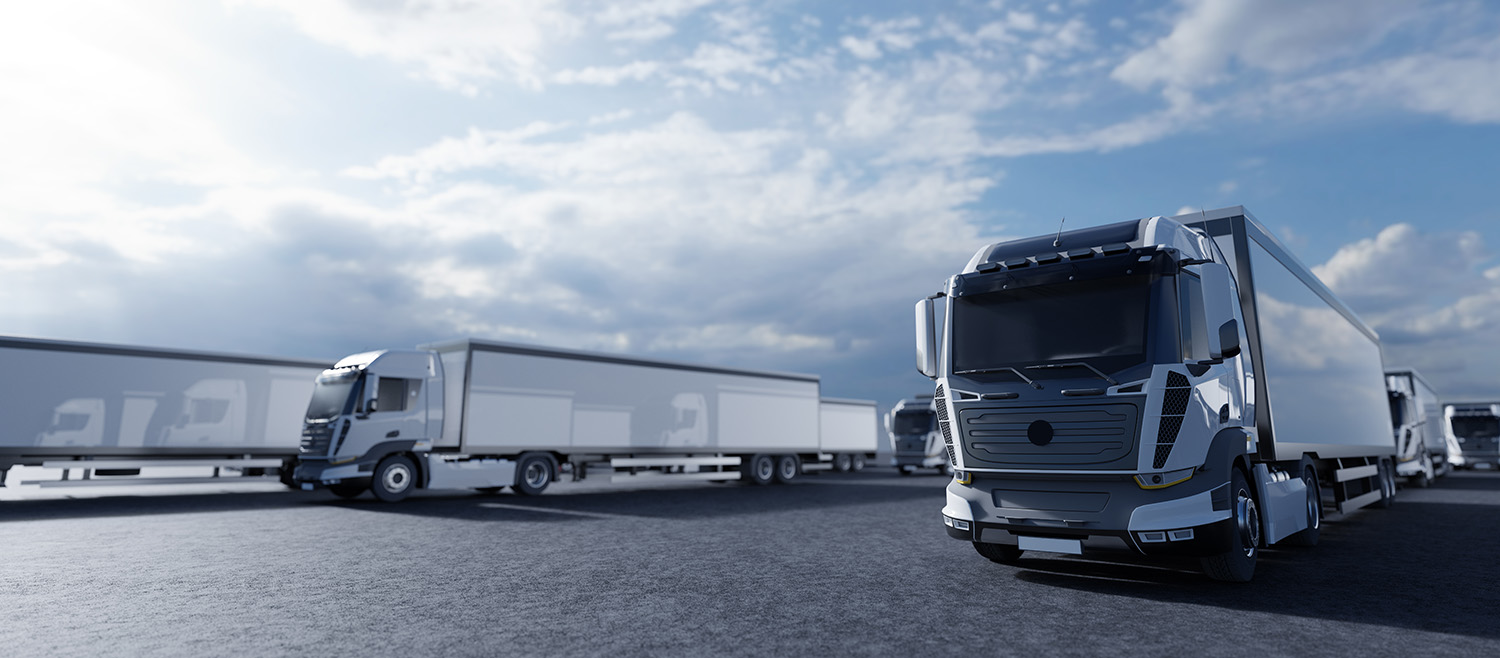
If the plan is fully implemented, the declared numerical impact is significant: over 1,200,000 kilometers per year with zero emissions, eliminating the CO2 emissions associated with these routes, thanks to the electric propulsion systems of the Mercedes Benz eActros 600.
This figure makes the scope more understandable even to those who do not work in logistics: we are talking about significant distances, repeated every day, on routes that are crucial for supply.
There is also an effect that directly affects communities.
The introduction of new electric vehicles is described as a guarantee of zero acoustic emissions: a concrete advantage for night-time deliveries to retail outlets, as it can reduce noise pollution in urban areas and improve the quality of life for those living near delivery routes.
In this sense, the energy transition no longer concerns only the air, but also affects the noise that accompanies the city at night.
An operational alliance between companies
The project openly acknowledges that heavy transport is one of the most complex sectors to transition away from fossil fuels and internal combustion engines.
For this very reason, in the narrative of the companies involved, collaboration along the supply chain becomes the linchpin: IKEA talks about a “triangular partnership” useful for defining an optimal structure and developing a solution capable of reducing total costs and, at the same time, contributing to a cleaner and quieter environment.
LC3 Trasporti emphasizes that “the time for isolated experiments is over” and that “concrete, scalable, and zero-impact” solutions are needed.
Mercedes Benz Trucks, for its part, presents the eActros 600 as the result of years of development and sees its use in this project as confirmation that the energy transition is already underway.