


Unclear rules and divided countries slow down the mobility of the future
Europe is accelerating its race toward autonomous mobility, but the finish line is still far away. While the US and China are testing robotaxis and driverless trucks, the real challenge in the Old Continent is not technology but regulation. The absence of a harmonised framework risks slowing the development of a sector that could revolutionise urban logistics, public transport and industrial supply chains.
Today, EU member states move at different speeds: Germany has already authorised advanced trials, while other countries remain limited to small-scale testing. This fragmentation creates uncertainty for companies and discourages large-scale investment.
According to the European Commission, autonomous vehicles could reduce accidents, emissions and urban congestion, generating economic benefits worth billions of euros. But without common rules, Europe risks losing competitiveness compared to the US and China.
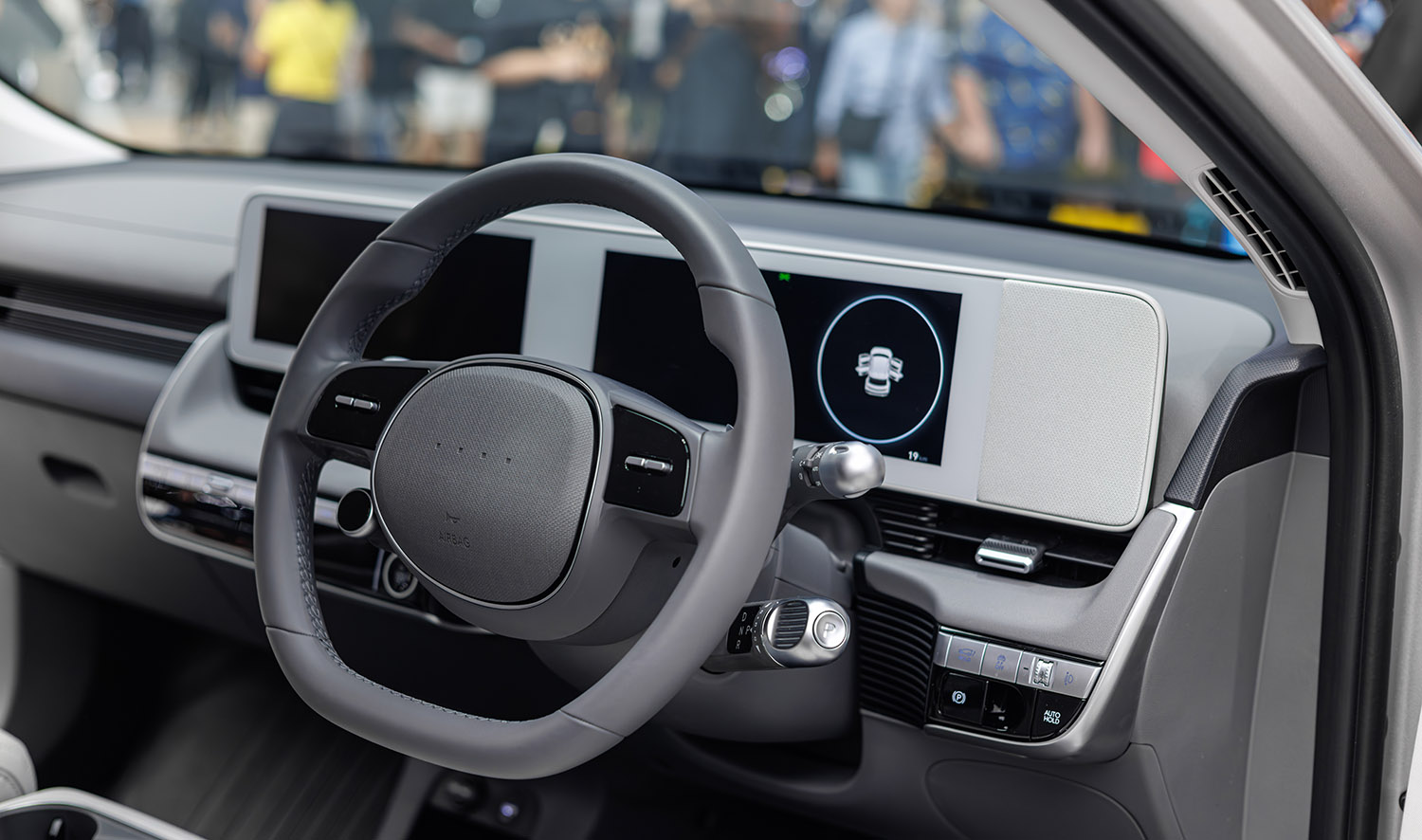
The European debate highlights a few priorities: ensuring shared safety standards for testing and approval procedures, defining clear rules on data protection to enable interoperability, developing smart infrastructure able to interact with connected vehicles, and establishing legal responsibilities in case of accidents.
The Commission has announced new guidelines to harmonise rules and speed up the integration of autonomous vehicles into urban transport systems. Meanwhile, cities such as Hamburg, Barcelona and Milan are closely following early experiments, aware that autonomous driving could become a key piece of zero-emission urban logistics.
Sources:
https://thenextweb.com/news/europe-ready-self-driving-cars?utm