

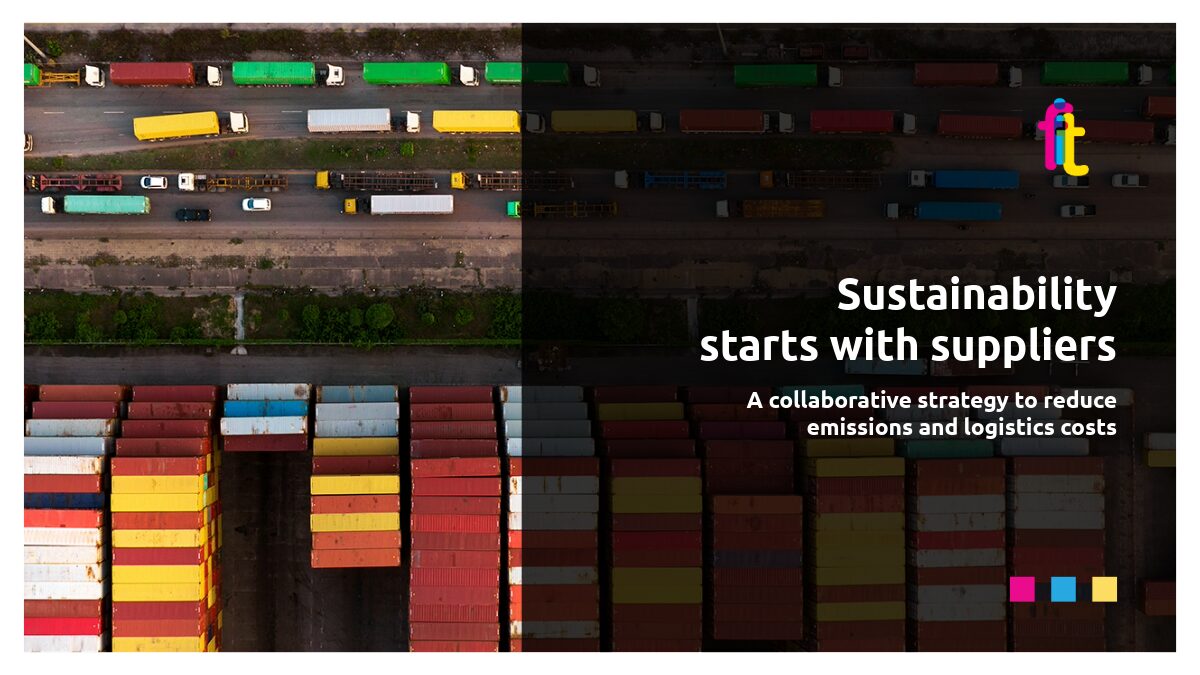
A collaborative strategy to reduce emissions and logistics costs
Reducing emissions in the logistics sector increasingly requires collaboration throughout the supply chain.
With its Climate Smart Partners program, CHEP is engaging hundreds of suppliers in a process aimed at decarbonizing their activities.
A strategy that involves the entire supply chain
CHEP launched the Climate Smart Partners initiative with the aim of reducing emissions generated throughout its supply chain.
The program involves approximately 650 suppliers globally and aims to promote more sustainable practices at various stages of the supply chain.
The initiative is part of the climate strategies increasingly adopted by companies in the logistics sector, where a significant portion of emissions comes from the activities of partners and suppliers.
To address this challenge, many companies are expanding their scope beyond their direct operations to include those involved in the supply chain in their climate strategy.
Collaboration and emissions monitoring
The Climate Smart Partners program aims to support suppliers in reducing emissions through tools, knowledge, and the sharing of best practices.
The goal is to create a process of progressive improvement that involves the entire logistics ecosystem.
For companies in the transport and logistics sector, initiatives of this kind show how decarbonizing the supply chain requires a collaborative approach.
Engaging partners and developing mechanisms for monitoring emissions along the supply chain is becoming increasingly important for achieving climate goals and strengthening the resilience of logistics chains.